
Art in America: The Black Death
Art in America
September 2004
Jason Clay Lewis
at 31 Grand
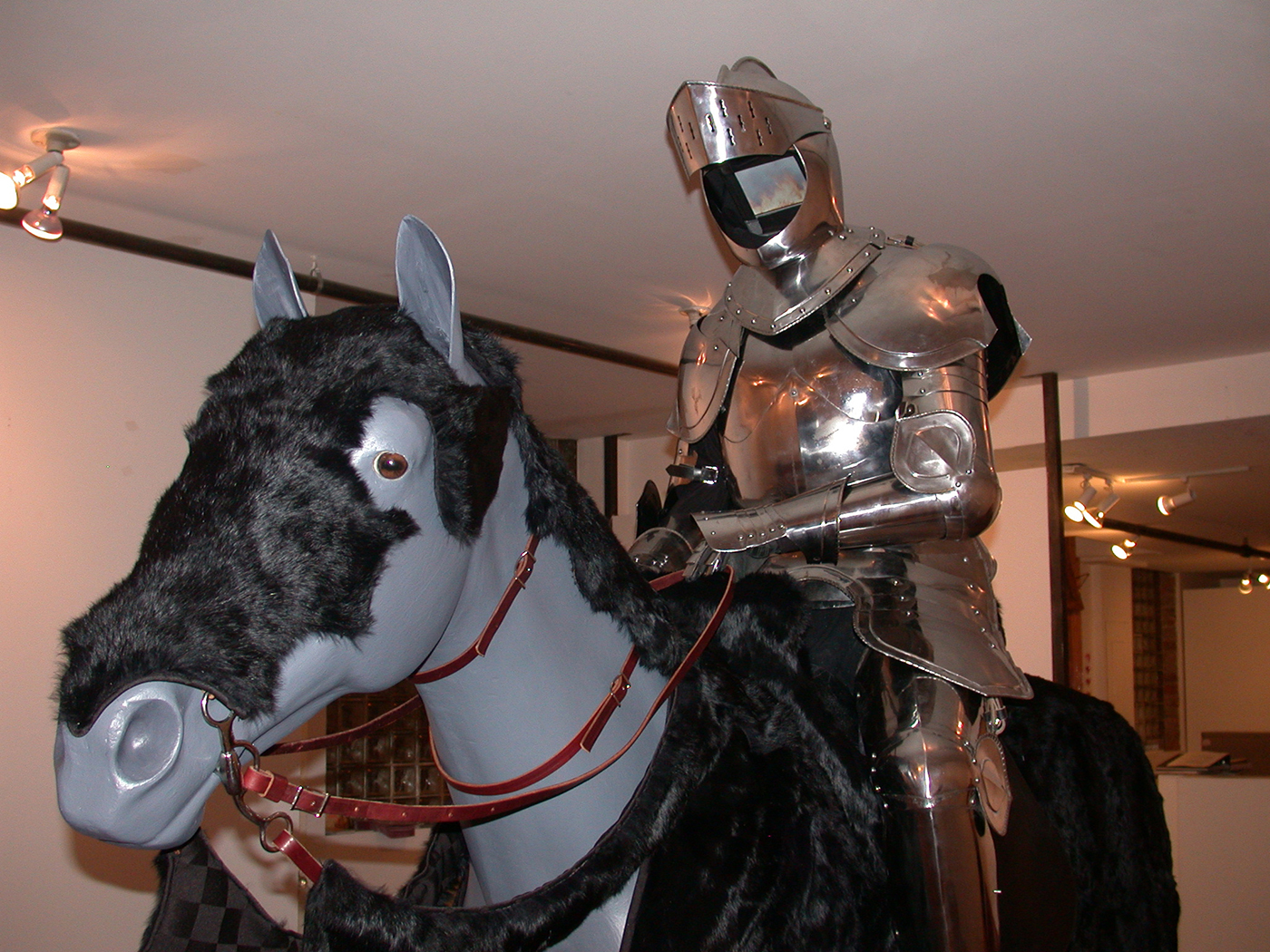
The centerpiece of Jason Clay Lewis's multimedia installation "The Black Death" was a full-size suit of armor straddling a taxidermist's plastic model of a horse (all works 2003). The visor was lifted to reveal a video loop of flames. Conjuring thoughts of past, present and possibly future crusades, this glittering warrior seemed an infernal symbol of scriptural prophecies and terroristic threats of Armageddon. Enhancing the apocalyptic ambience (with its lugubrious, piped-in music) were other sculptures as well as drawings, photographs and a holograph based, in part, on the history of the pandemic that devastated the population of 14th-century Europe.
In a handout linking the disparate elements of the show, Lewis imagined himself as a futuristic knight preparing to undertake a spiritual quest in order to save mankind from a bubonic plague-like disease curable only by a madness-inducing serum. Viewers could skip this quasi-religious melodrama, however, and concentrate instead on the artist's marvelous engraving abilities in a variety of materials. Most monumental was the Ghibertiesque Death's Door, a nearly 10-by-9-foot red leather panel divided by strips of wood into smaller sections, into which Lewis seared intricate scenes of warfare, executions and mass funerals adapted from historical sources. Talents of Purity consists of five buffalo-hunting bullets, each one gracefully inscribed with the name of a virtue, like "virginity," "humility" and "rectitude." Black Tide is a 15-gallon stainless-steel barrel engraved and painted with dramatic battle scenes based on, among other sources, computer animation from the recent Lord of the Rings films.
Moving from Tolkien to Exodus, Lewis included 175 life-size sculptures of locusts made of clear resin (Swarm). A quartet of photographs, Renewal, showed controlled burnings of wheat fields in the artist's native Oklahoma, the fire and smoke further amplifying the End-Time theme. There were a rabbit fur-encased human skull and luminous charcoal drawings of lethal microbes. In case it all wasn't clear enough, the artist included an ancient-looking tome charmingly titled The Book of Death. On a more upbeat note was The Key of Light, a hollow plinth filled with dirt and burned straw and featuring a redemptive "magic key," or rather, a hologram of a key that naturally-yet eerily-proved impossible to grasp.
What rescued the exhibition from being a macabre downer was the exuberance with which Lewis gave his eschatological imagination free rein. This is the artist's first solo show. One looks forward to the future, when he might dispense with the high-concept storytelling and let the remarkable quality of his work speak for itself. – Steven Vincent
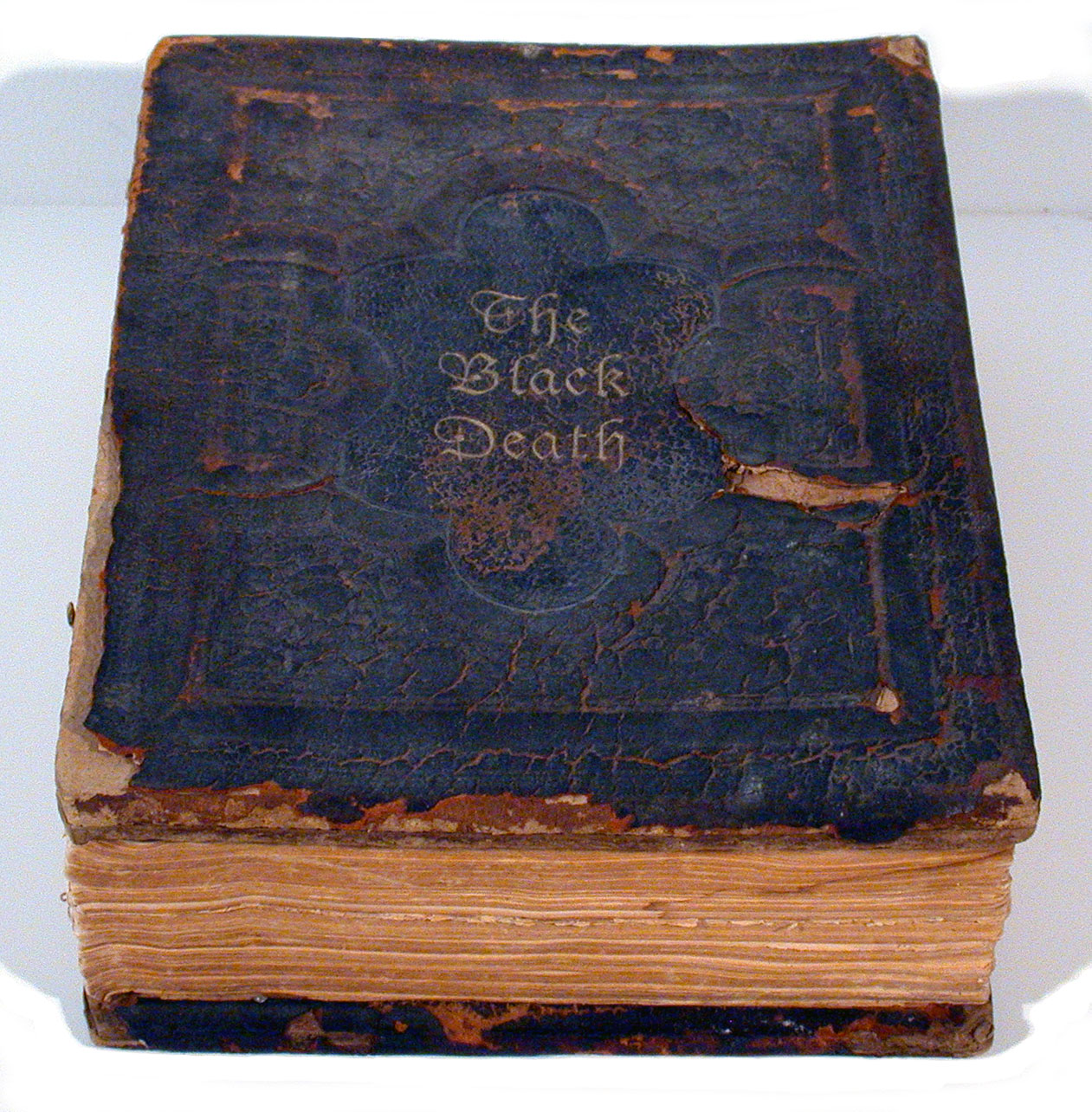
Book of Death, 2003, 12" x 10" x 5"
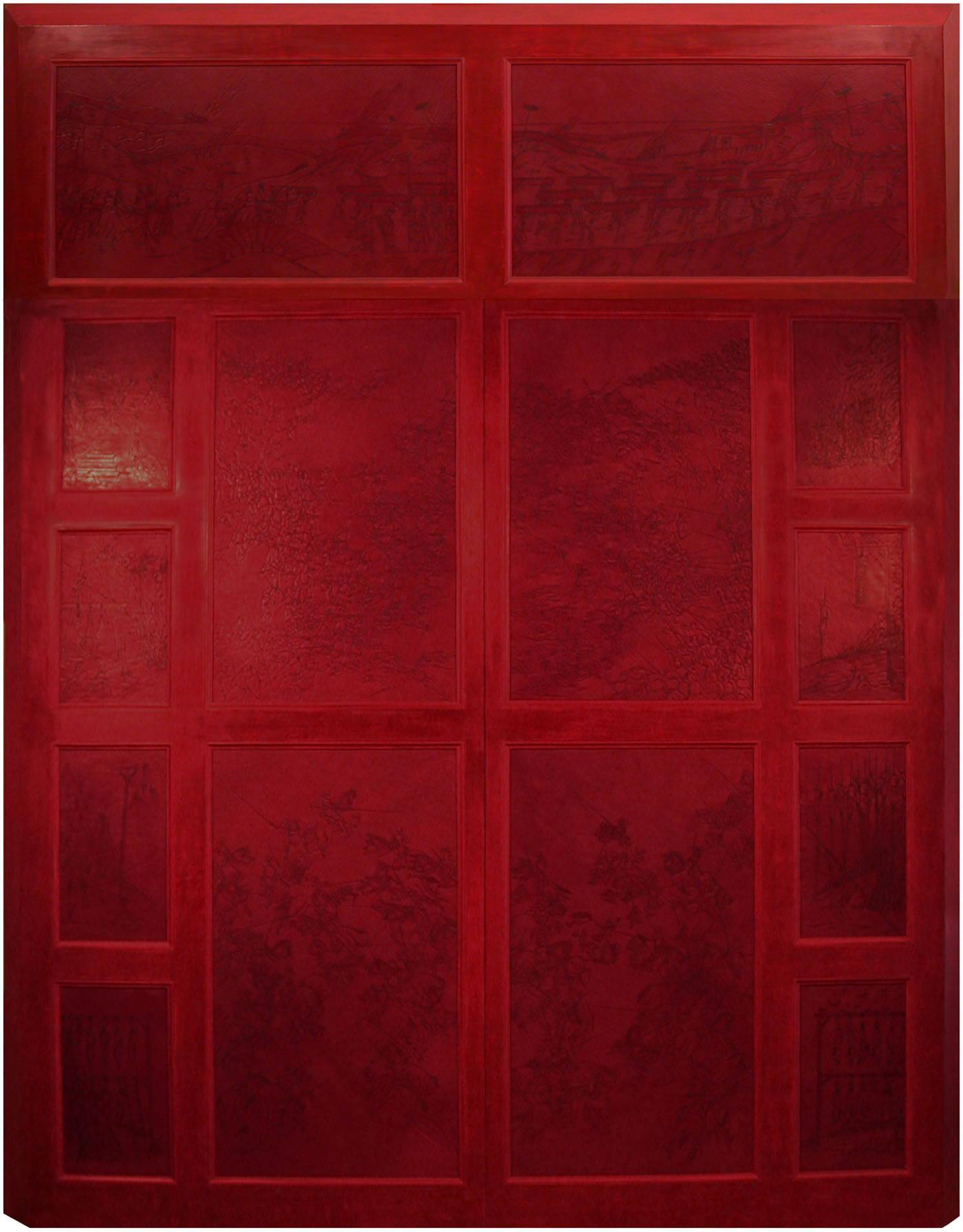
Death's Door, 2003, Leather, wood, 10' x 9' x 6"
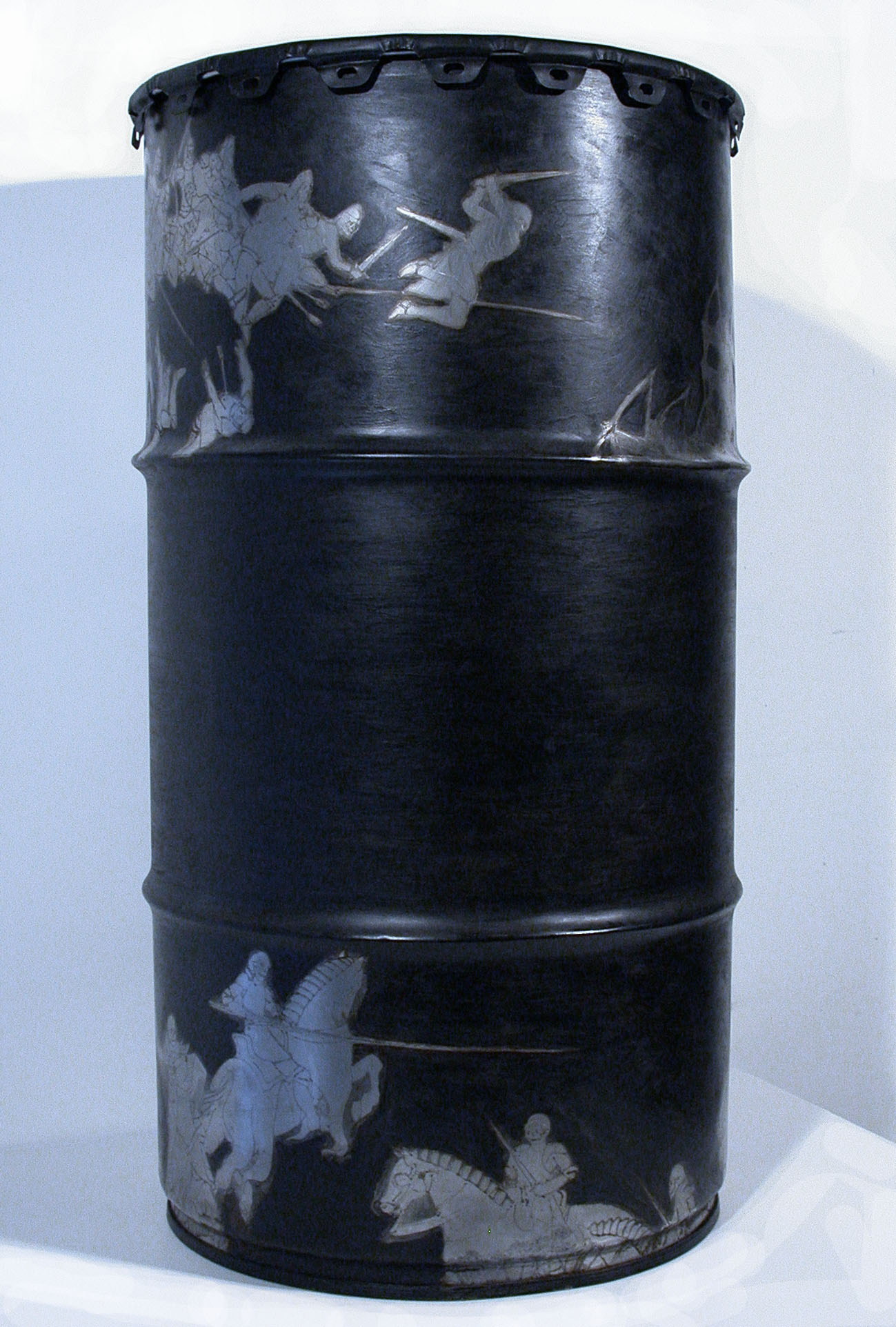
Black Tide 2003, 15 gallon stainless steel barrel, acrylic, 27 1/8" x 14 3/4" x 14 3/4"
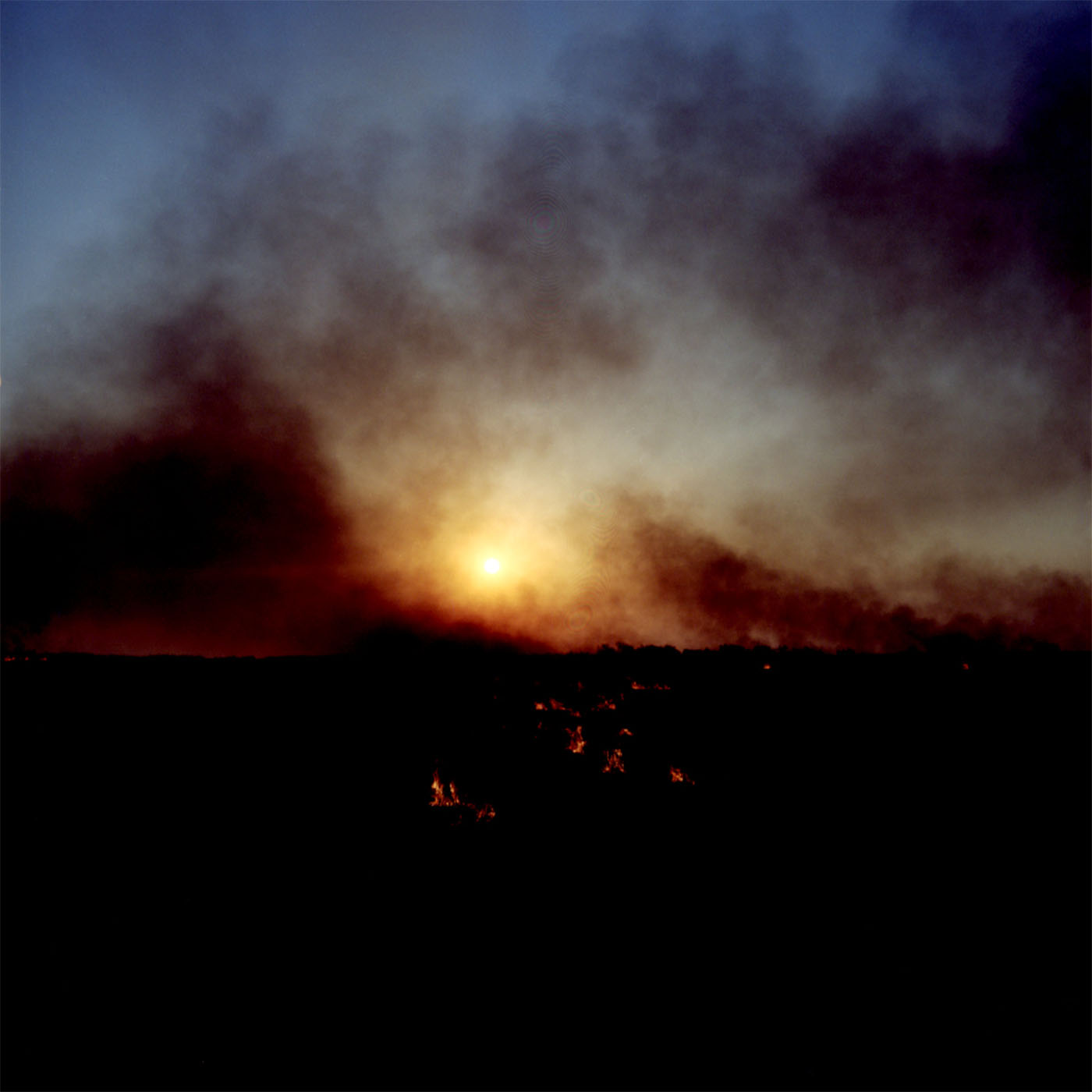
Renewal 2003, Photographs, 29 3/4" x 29 3/4"
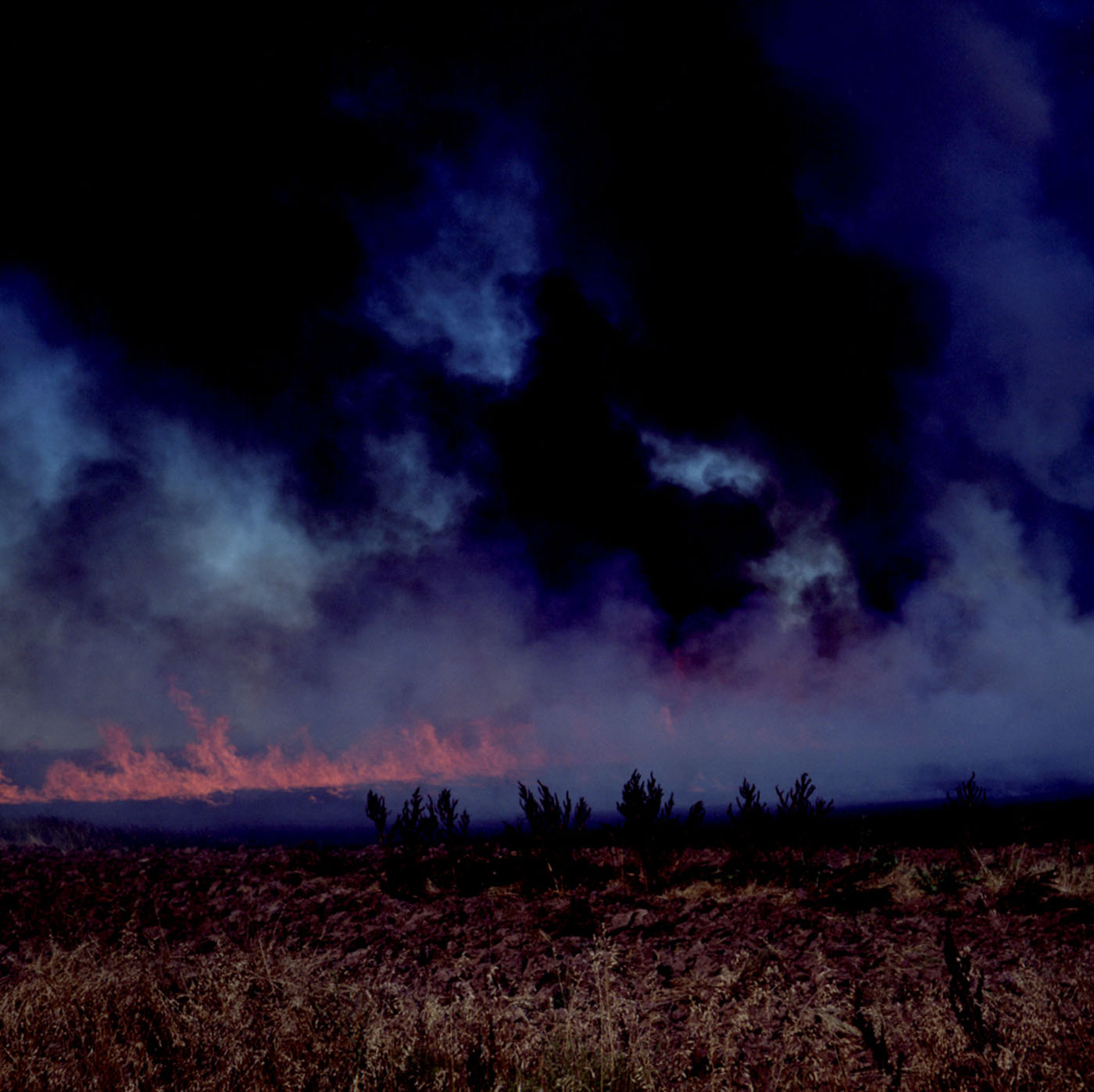
Renewal 2003, Photographs, 29 3/4" x 29 3/4"
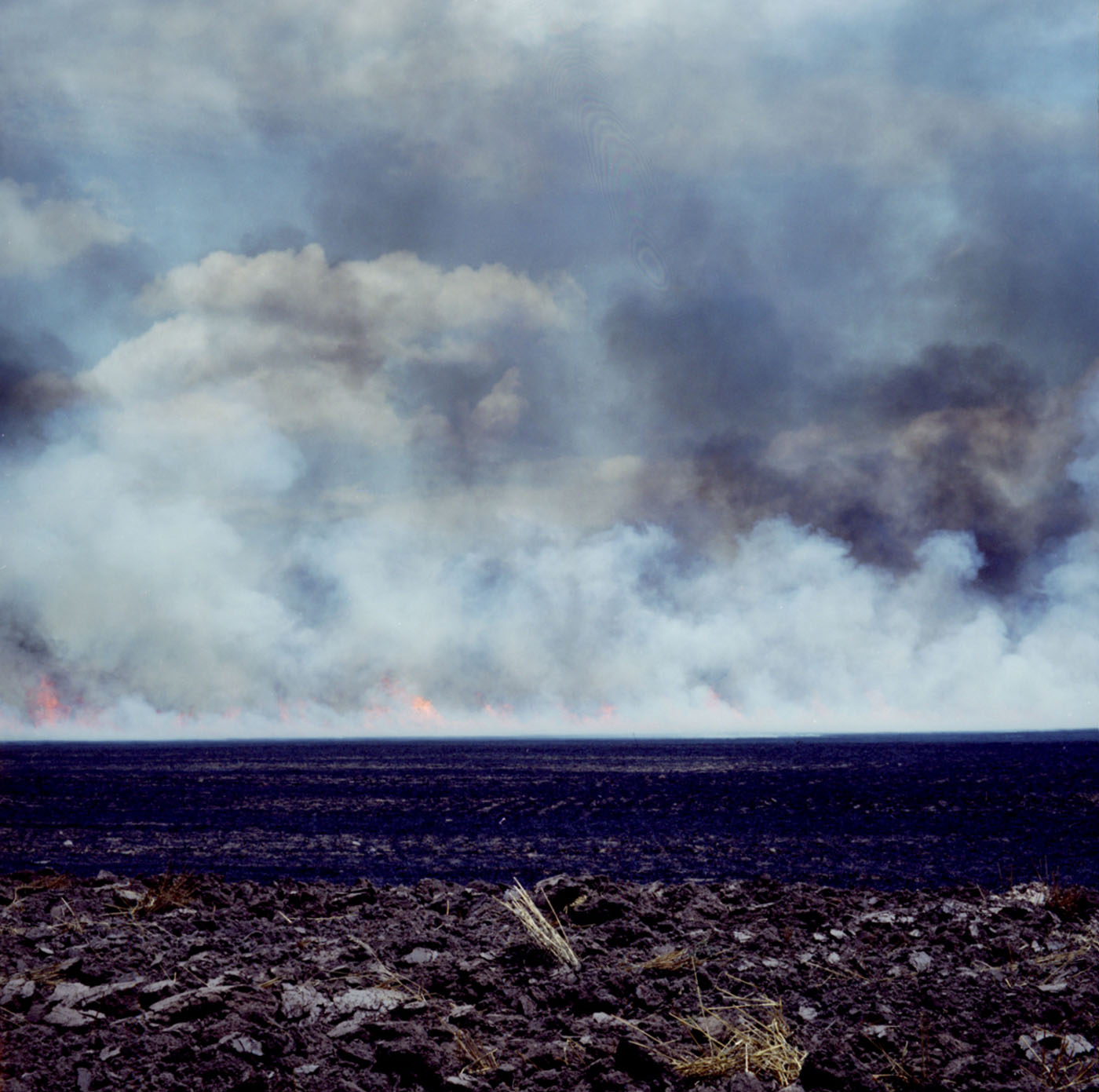
Renewal 2003, Photographs, 29 3/4" x 29 3/4"
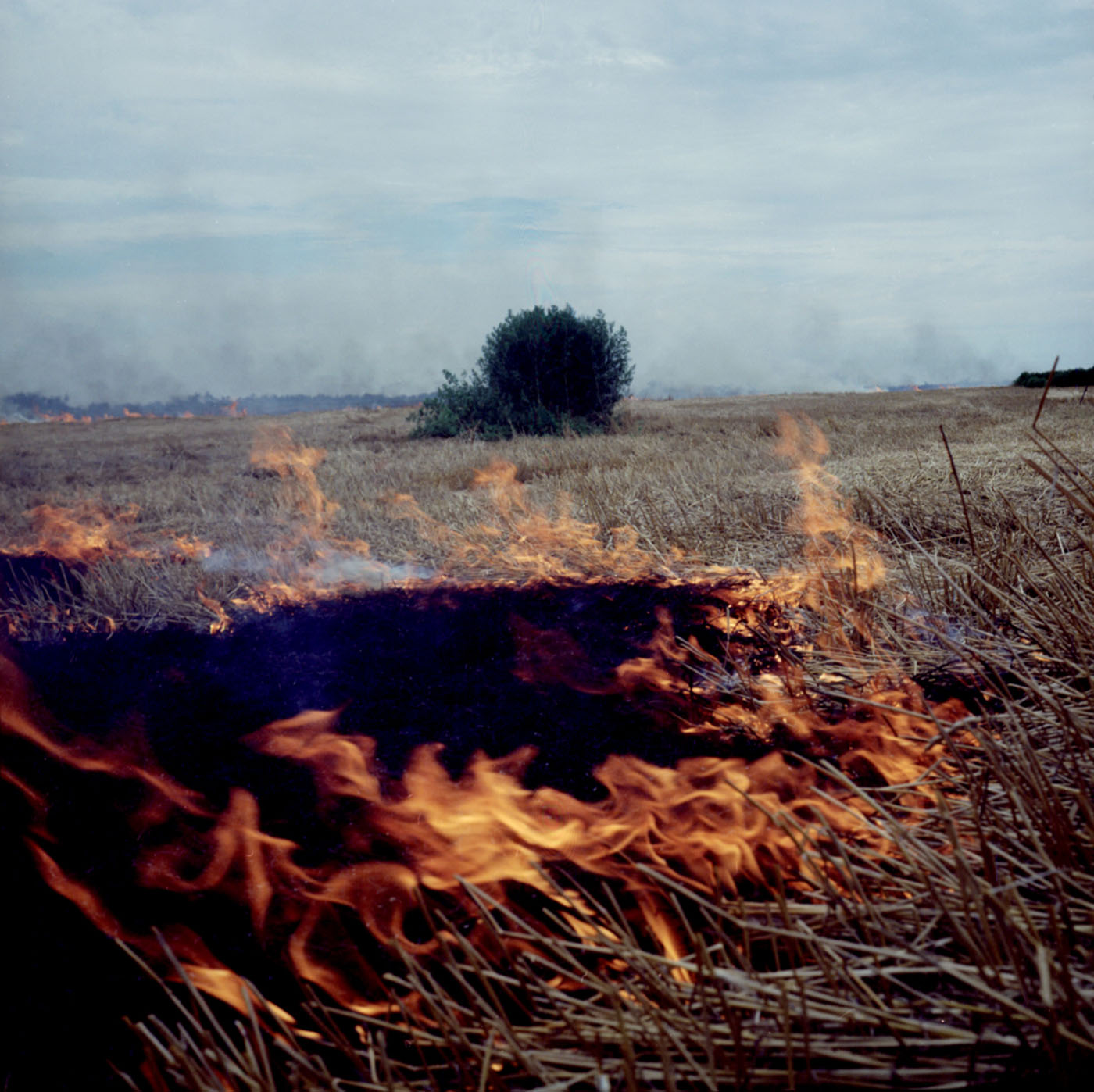
Renewal 2003, Photographs, 29 3/4" x 29 3/4"
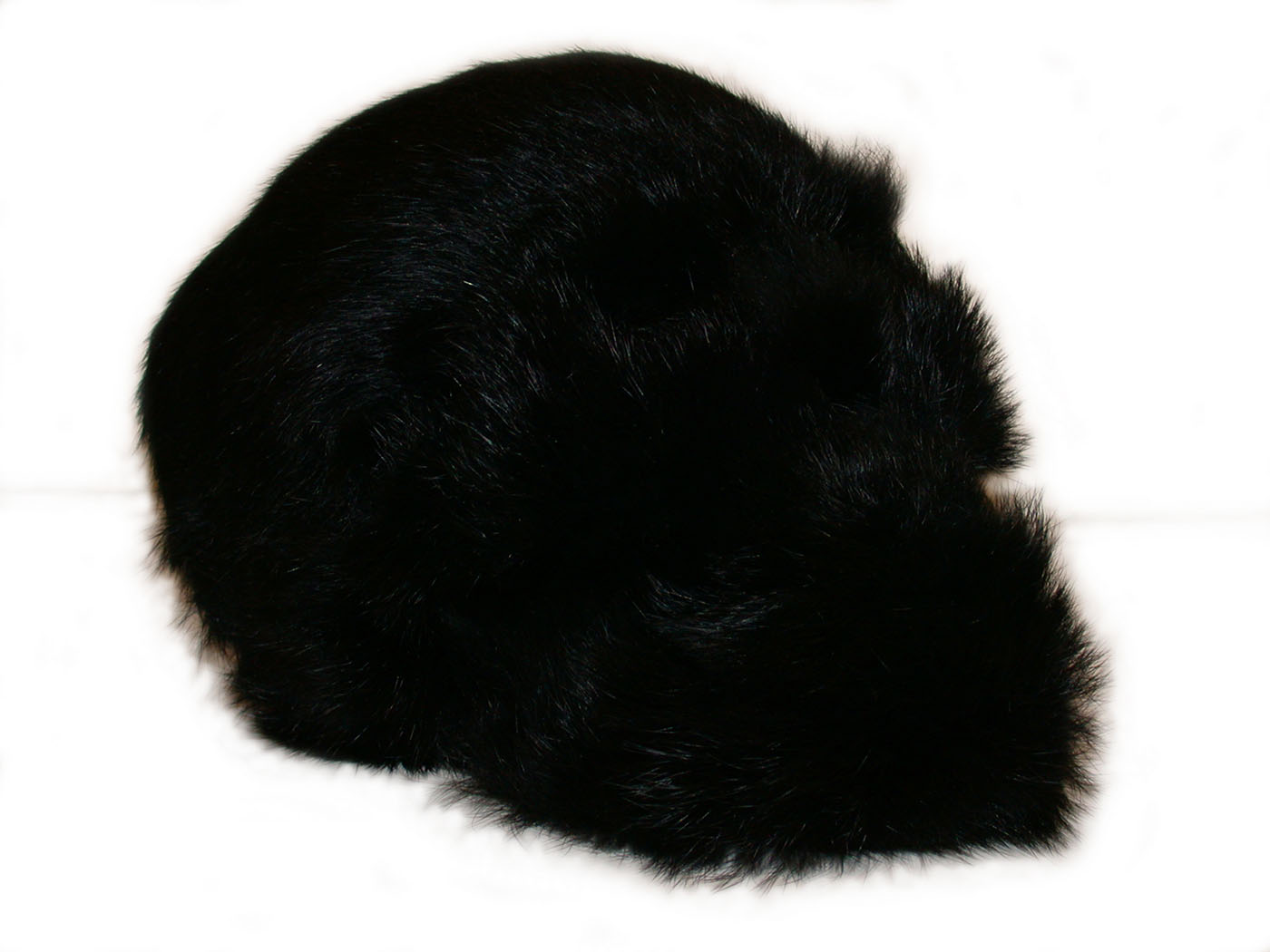
Fur Skull 2003, Rabbit fur, plaster, 6 1/4" x 6 3/4" x 9 1/2"
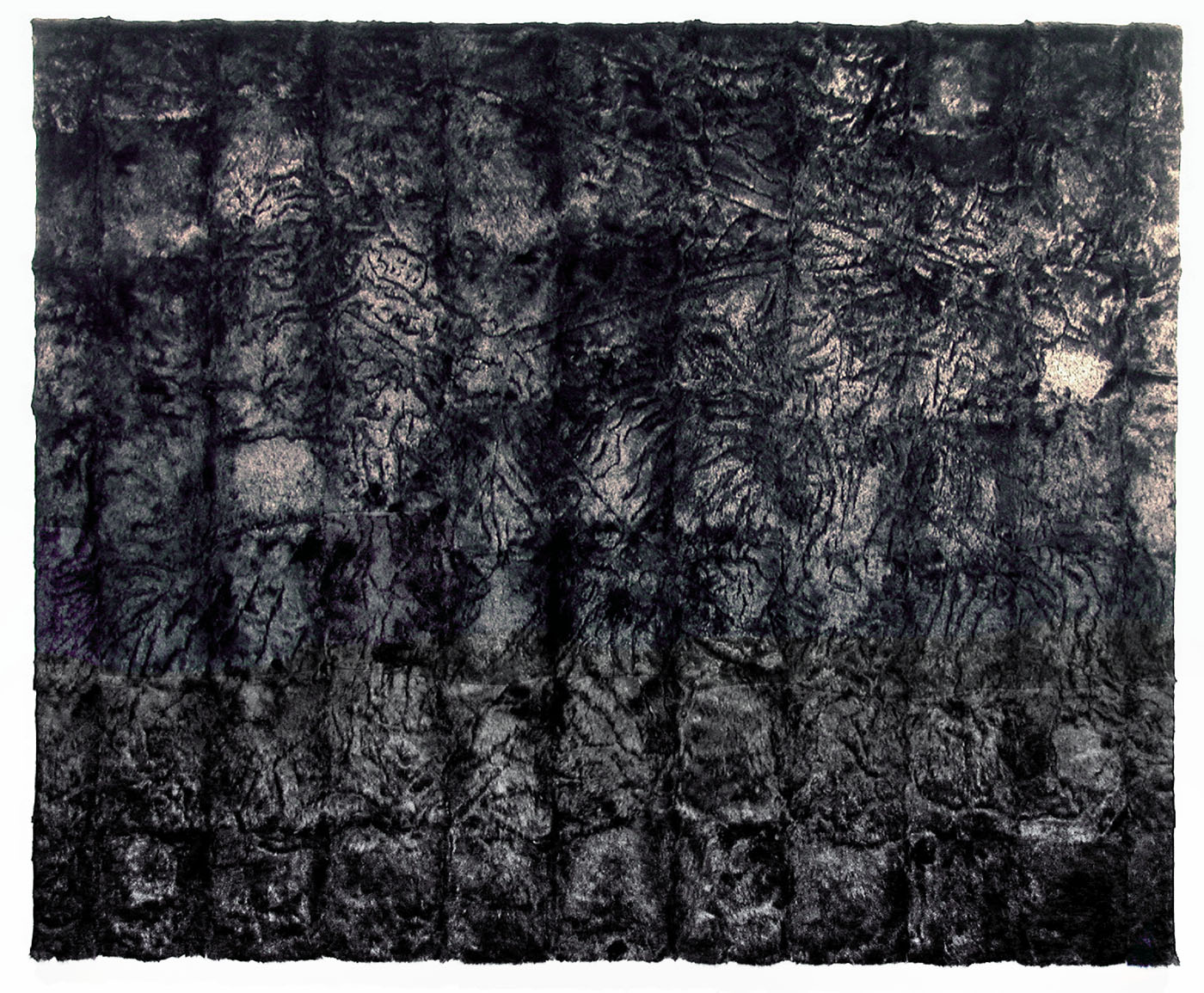
Once Upon a Time, 2003, Rabbit fur on canvas, 9' x 6'
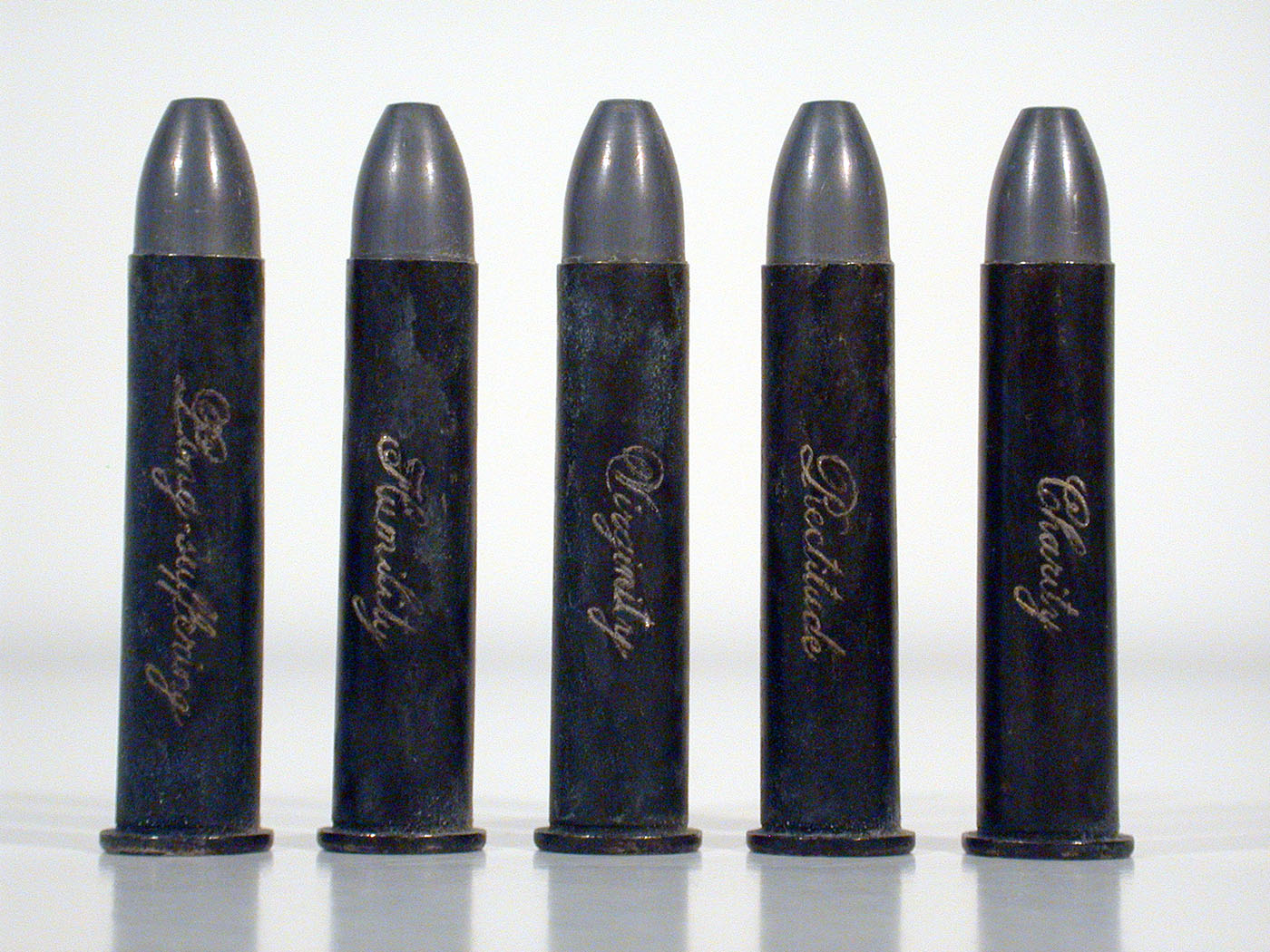
Talents of Purity 2003, 45-70 Fed Bullets, epoxy, wax, 2 3/4" x 5/8"

Black Tide Vials, 2003, Glass, oil, aluminum, 2" x 1"
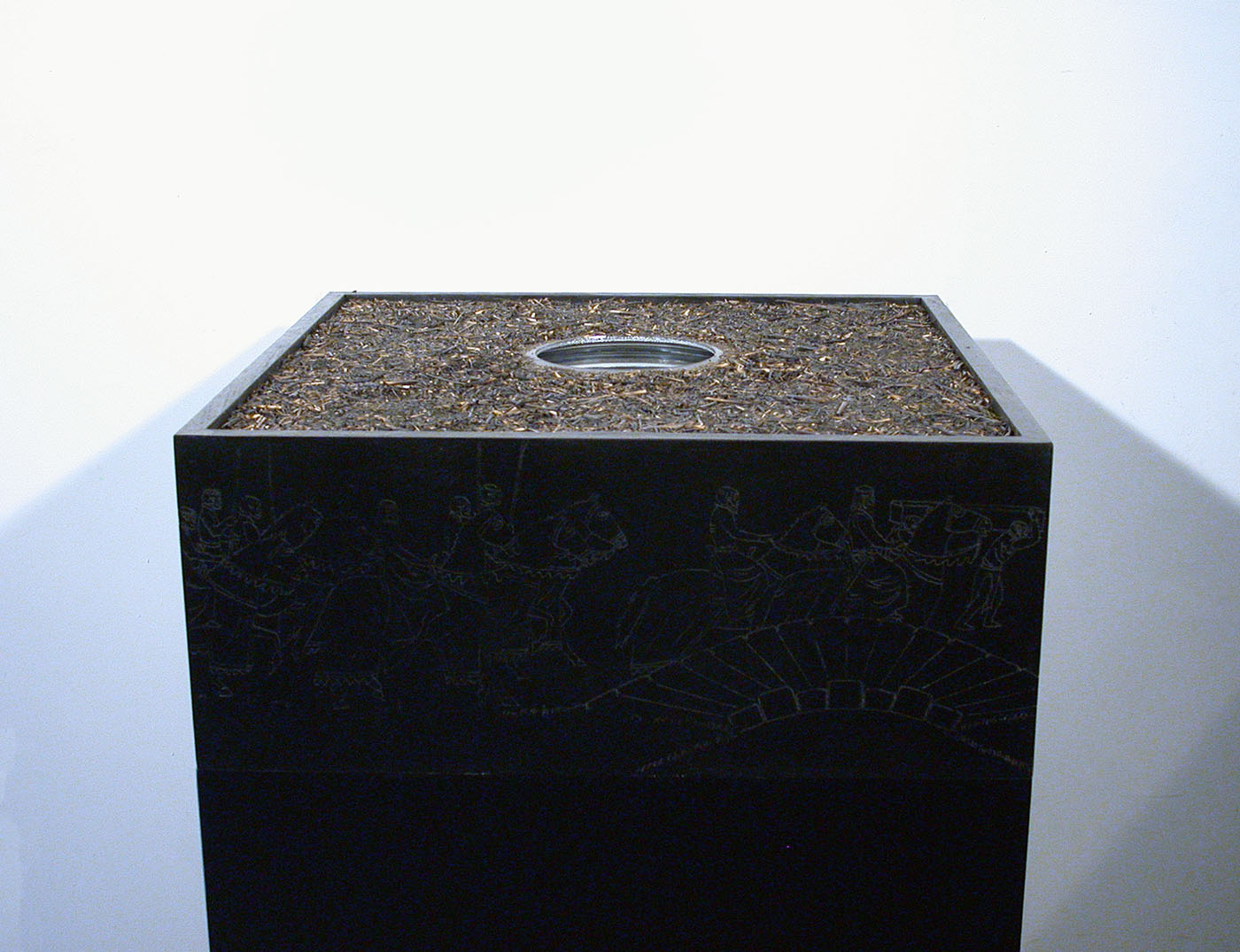
Key of Light, 2003, Wood, straw, key, 24" x 24" x 10"